
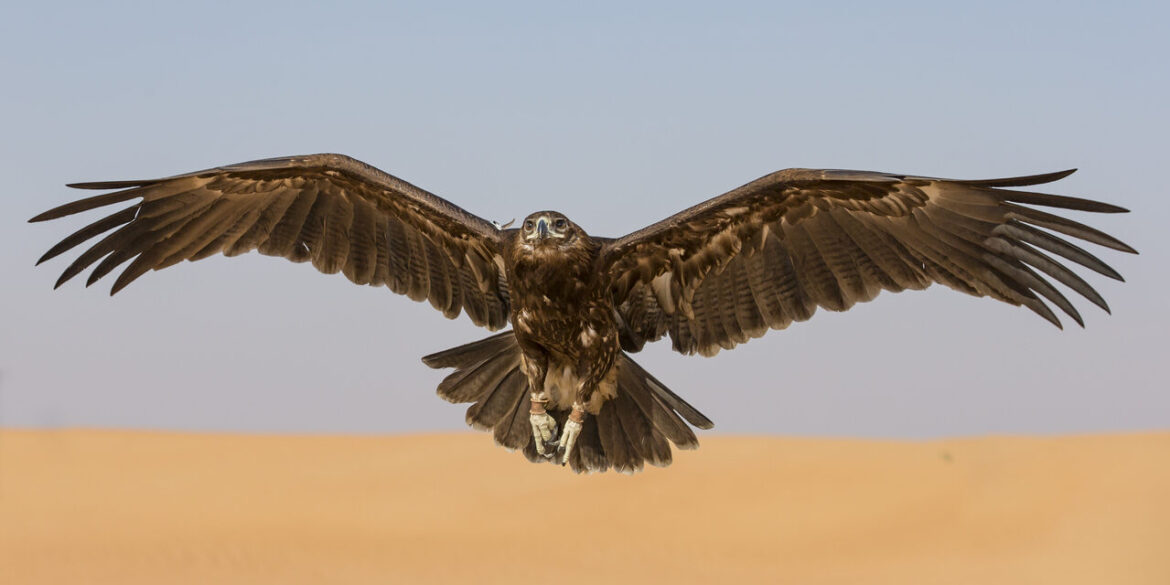
A revolution is underway in the fight against environmental crime, as new research spotlights cutting-edge forensic methods that are empowering authorities to crack even the most intricate wildlife cases. By harnessing advanced genetic technologies and building robust local DNA databases, scientists can now help uncover the truth behind crimes involving multiple species—even when the evidence is mixed, degraded, or incomplete.
Wildlife crime, from the poisoning of endangered vultures to the poaching of gazelles, rarely resembles the tidy crime scenes of television dramas. Yet every case is crucial: illegal hunting and trafficking are among the top five global illicit trades, significantly accelerating biodiversity loss and putting countless species at risk of extinction.
Dr Gila Kahila Bar-Gal, from the Koret School of Veterinary Medicine at Hebrew University, is at the vanguard of this forensic revolution. In her latest study, she presents an integrative approach that allows conservation authorities to investigate environmental offences with unprecedented precision and confidence. By analysing real incidents involving critically endangered Eurasian griffon vultures and Israel’s unique mountain gazelles, her team has shown that, with the right forensic tools, it is possible to:
- Identify species from the most challenging evidential samples,
- Trace geographic origins and population groupings,
- Distinguish wild species from domestic animals,
- Link multiple pieces of evidence to the same individual or event,
- Establish proof of illegal activity beyond reasonable doubt.
Dr Kahila Bar-Gal explains:
“When a vulture is poisoned or a gazelle killed out of season, investigators often encounter mixed evidence—sometimes involving various species, protected and unprotected. A precise, layered genetic analysis is key to unravelling these cases.”
This new methodology isn’t just about scientific rigour; it’s also about practicality. The techniques developed are both rapid and cost-effective—vital for enforcement teams under pressure to act swiftly and accurately.
As wildlife forensic science matures, this research offers rangers, customs officials, and policy-makers a robust toolkit for upholding conservation laws and protecting endangered animals. Each solved case sends a clear message: environmental crime will not go unpunished, and modern science stands ready to defend the planet’s most vulnerable creatures.
For further reading, see the full publication: “Beyond species identification: integrative methodologies for solving complex wildlife forensic cases” in Frontiers in Ecology and Evolution (DOI: 10.3389/fevo.2025.1525957).