Scientists have developed a new kind of gene therapy that activates only when the brain is under stress, and in doing so, may help stop epilepsy before it fully takes hold.
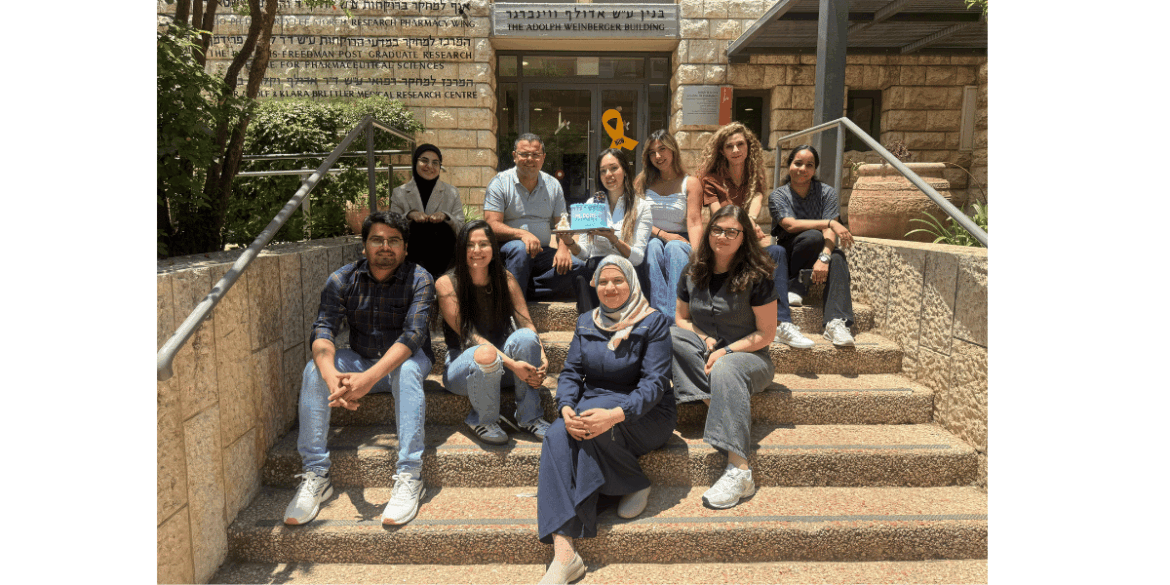
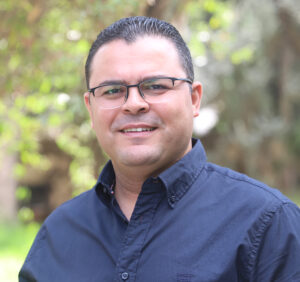
Title image: Tawfeeq Shekh-Ahmed Lab | Credit: Tawfeeq Shekh-Ahmed
The study, led by Prof Tawfeeq Shekh-Ahmed of the School of Pharmacy at Hebrew University, was published in Signal Transduction and Targeted Therapy, a Nature Portfolio journal.
Epilepsy affects more than 50 million people worldwide, and nearly one in three patients does not respond to existing medications. Current treatments can reduce seizures, but they do not address the underlying disease or prevent it from worsening.
The new approach takes a different path.
Rather than continuously delivering drugs, the therapy is designed to respond only when needed. It uses a built-in biological “sensor” that detects when brain cells become overactive, as they do during seizures, and then turns on a protective response.
“Our goal was to create a treatment that works with the brain, not against it,” said Prof Shekh-Ahmed. “Instead of constant intervention, we wanted something that activates only during harmful activity.”
At the center of the therapy is a protein called Nrf2, known for its ability to protect cells from oxidative stress, a damaging process linked to seizures and brain injury. But activating Nrf2 all the time can interfere with normal brain function. To solve this, the researchers paired it with a genetic switch called cfos, which is naturally activated only in highly active neurons.
The result is a therapy that turns on antioxidant protection only in overactive brain cells, and only at the right time.
In preclinical research, the treatment reduced seizure severity, lowered overall seizure burden, and increased the number of seizure-free periods. It also showed benefits beyond seizures, with improvements in memory, behavior, and overall brain function, areas often affected in people living with epilepsy.
Importantly, the therapy remained effective even when introduced after the disease process had begun, suggesting potential for patients with long-standing or drug-resistant epilepsy.
“This is a proof of concept for a smarter kind of therapy,” Prof Shekh-Ahmed said. “One that is precise, adaptive, and minimizes unwanted side effects.”
Unlike existing drug treatments that act broadly throughout the body, this gene therapy works locally and only when triggered by abnormal brain activity. This targeted approach may help avoid the side effects associated with continuous treatment and preserve normal brain signaling.
While further research is needed before this approach can be tested in patients, the findings point toward a new generation of therapies, ones that are dynamic, targeted, and designed to intervene at the earliest stages of disease.
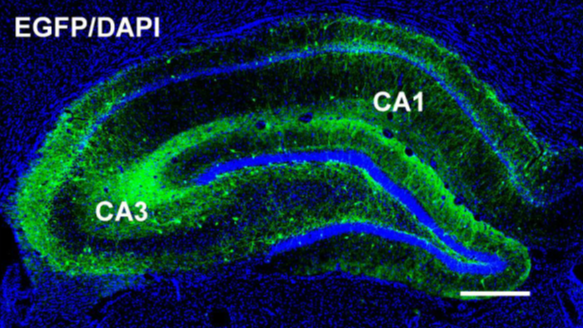
Brain Image Showing Where the Therapy Is Active Description: Fluorescent microscope image showing where the treatment is active in the hippocampus. The green signal marks cells where the therapy is turned on, while blue marks the cell nuclei. Scale bar: 500 micrometers. Credit: Prince Kumar Singh
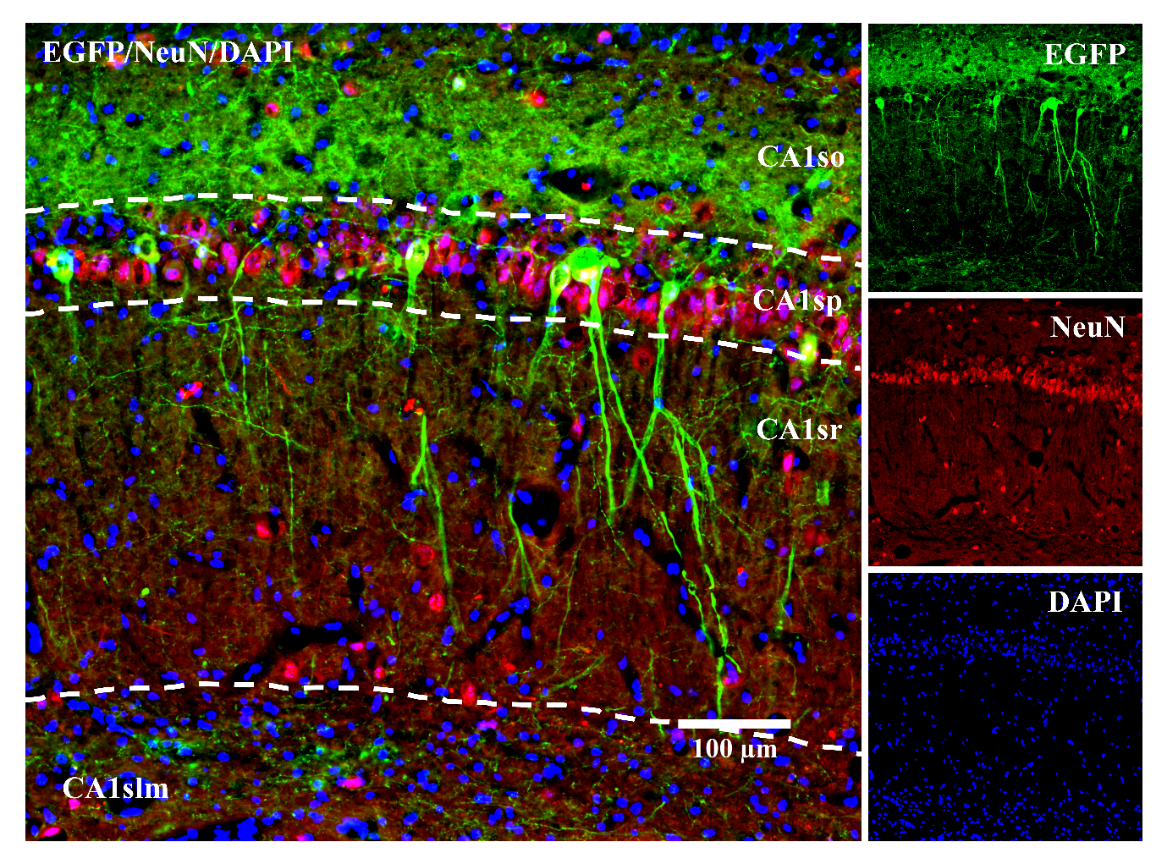
Representative image showing virus expression after 12 weeks of injection. The section was stained with NeuN (marker for neuron, Red), EGFP (AAV vector), and DAPI (nuclear marker, Blue). Merged images (Left) showing co-localization of virus with hyperactive neurons. Scale Bar 100 µm. Credit: Prince Kumar Singh
Media Contacts
Prof Tawfeeq Shekh-Ahmad | Tel: +972 54-628-0984 | Email: Tawfeeq.Shekh-Ahmad@mail.huji.ac.il
The research paper titled “Activity-dependent antioxidant gene therapy protects against epileptogenesis” is now available in Signal Transduction and Targeted Therapy and can be accessed at https://www.nature.com/articles/s41392-026-02738-w
Researchers:
Prince Kumar Singh, Gabriele Lignani, Matthew C Walker, Andreas Lieb, Tawfeeq Shekh-Ahmad
Institutions:
- The Institute for Drug Research, The School of Pharmacy, Faculty of Medicine, The Hebrew University of Jerusalem
- Department of Clinical and Experimental Epilepsy, UCL Queen Square Institute of Neurology, University College London
- Institute of Pharmacology, Medical University Innsbruck, Austria.