
A new study has uncovered a previously overlooked pathway linking road traffic pollution and cultivated crops. While plant uptake of tire wear-derived contaminants was already known, this study is among the first to show under environmentally realistic conditions that tire wear particles themselves act as short- and long-term sources of contamination, gradually released into soil. The research demonstrates that tire particles released due to tire abortion do not simply accumulate in the environment as microplastics; they also serve as reservoirs of toxic additives that may be released into the agricultural systems and potentially enter the food chain. The findings, published in Environmental Research, provide new insight into how everyday road traffic may contribute to contaminant exposure through food production.
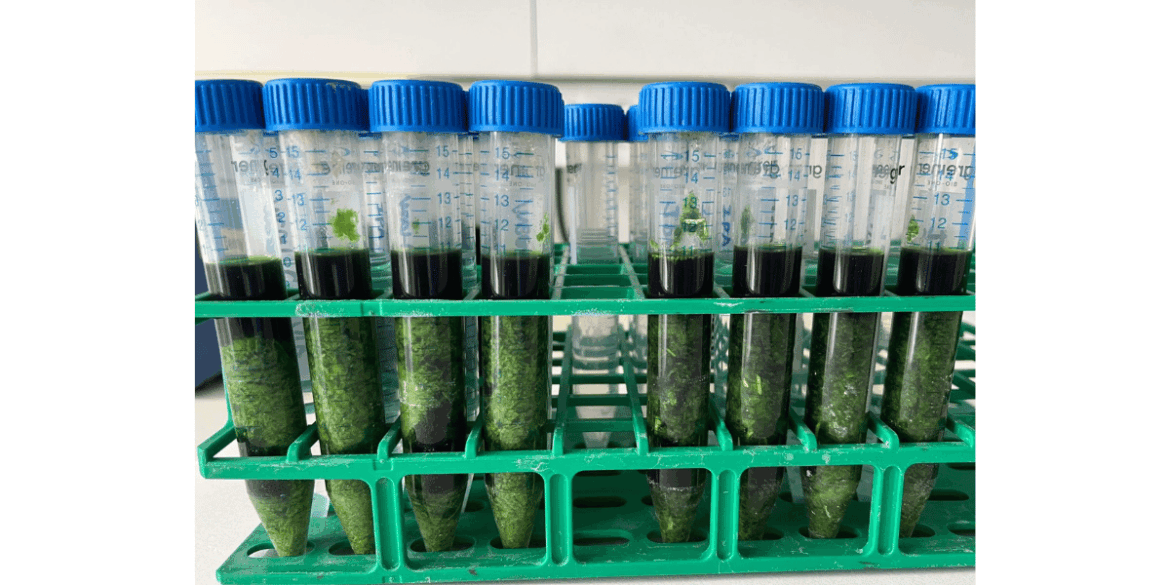
title image: Contaminants extraction from plants using organic solvent; The solvent will be analyzed for target contaminants in HPLC-MS.
Every journey by car leaves behind more than exhaust emissions. As tires wear down against the road surface, they continuously release tire particles that accumulate in soils and waterways surrounding both roads and major highways. Now, new research led by PhD student Chao Gao, Prof Benny Chefetz, and Dr. Evyatar Ben Mordechay of the Hebrew University of Jerusalem shows that these particles act as short- and long-term sources of chemical contamination for food crops.
Published in Environmental Research, the study provides some of the strongest evidence to date that tire wear particles gradually release chemical additives into agricultural soils, where they can be taken up by plants and enter the food chain.
Scientists have previously detected tire-derived chemicals in vegetables and demonstrated plant uptake under laboratory conditions. However, most earlier studies introduced the chemicals directly into water or soil. What remained unclear was to what extent the tire particles themselves could function as an ongoing source of contamination under realistic agricultural conditions.
The new study answers that question.
“Our research shows that tire wear particles are not simply passive microplastics accumulating in the environment,” said Dr Evyatar Ben Mordechay, the corresponding author of the study. “They behave as short- and long-term reservoirs of chemicals, gradually releasing contaminants into soil where they become available for plant uptake.”
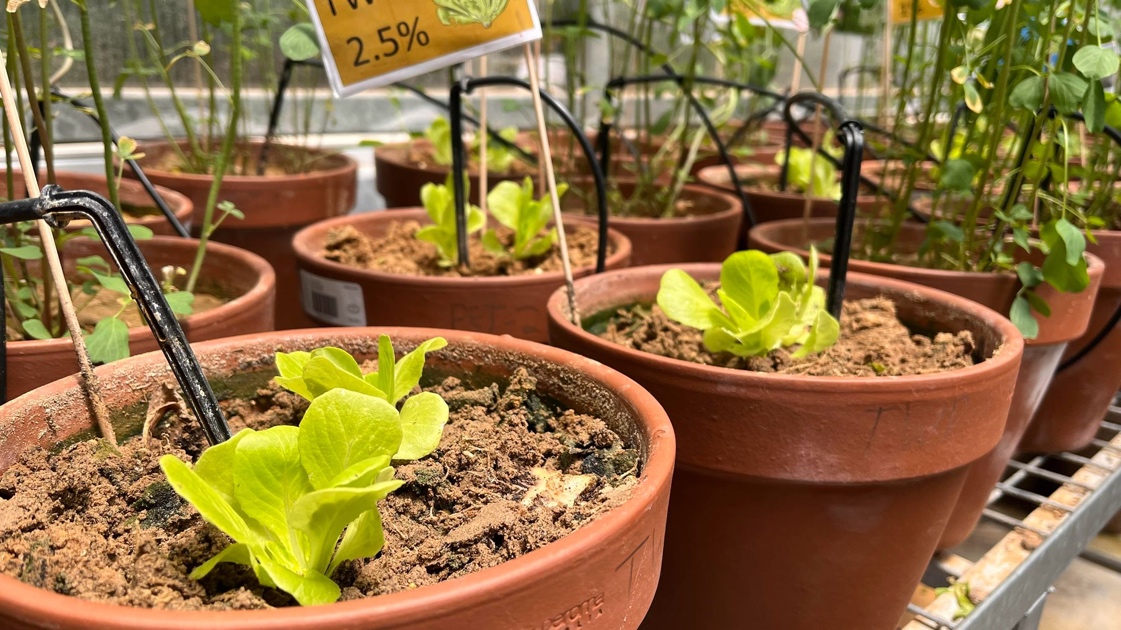
The international research team grew alfalfa and lettuce in agricultural soil containing environmentally relevant levels of tire wear particles similar to those reported in roadside and agricultural environments of 0.1 – 1%. The researchers then monitored how six common tire-derived compounds were transferred from the particles into the soil and ultimately into plant tissues.
The results revealed a two-stage release process. Some chemicals were rapidly released from the particle surface, while others slowly diffused from within the rubber matrix over time. This means tire wear particles can continue supplying contaminants to soils long after they are deposited, creating an ongoing source of exposure for plants.
Among the compounds studied, 1,3-diphenylguanidine (DPG) emerged as a particular concern. The chemical was released continuously from tire particles at relatively high levels, persisted in soil, and accumulated in both alfalfa and lettuce. In lettuce, DPG concentrations reached levels significantly higher than those observed for other tire-derived compounds, suggesting that tire particles may represent an important and previously underestimated source of dietary exposure. In addition, 6PPD-quinone, a highly toxic tire-derived compound, was detected in both soils and plants, raising concerns about the potential environmental impacts of tire particles reaching the environment.
The researchers also detected transformation products formed from tire-derived compounds within plant tissues, indicating that plants may metabolize some of the contaminants after uptake. These findings provide new insight into the environmental fate of tire-related pollutants and their movement through agricultural systems.
“This study changes the way we think about tire wear pollution,” said Prof Benny Chefetz, senior author of the study. “Tire particles are often discussed primarily as a microplastic issue. Our findings show that they should also be viewed as long-term carriers of chemical contaminants capable of moving through soils and into crops.”
The study is among the first to demonstrate under environmentally realistic conditions that tire wear particles themselves, not just the chemicals they contain, can act as a persistent source of contaminants for plants. By replicating real-world agricultural exposure pathways, the research provides an important missing link between road traffic emissions, soil contamination, and food production.
Globally, approximately 1.5 billion tires are produced each year, and tire wear particles are increasingly recognized as one of the largest sources of microplastic pollution. As these particles accumulate in agricultural landscapes through atmospheric deposition, road runoff, wastewater irrigation, and biosolids application, understanding their environmental and food-safety implications has become increasingly urgent.
The authors emphasize that further research is needed to determine the long-term implications of tire-derived contaminants in agricultural systems and to better understand how these compounds behave in soils, crops, and food webs.
Photos courtesy of Chao Gao (PhD student)
Lettuce seedling growing in soil containing tire wear particles in greenhouse
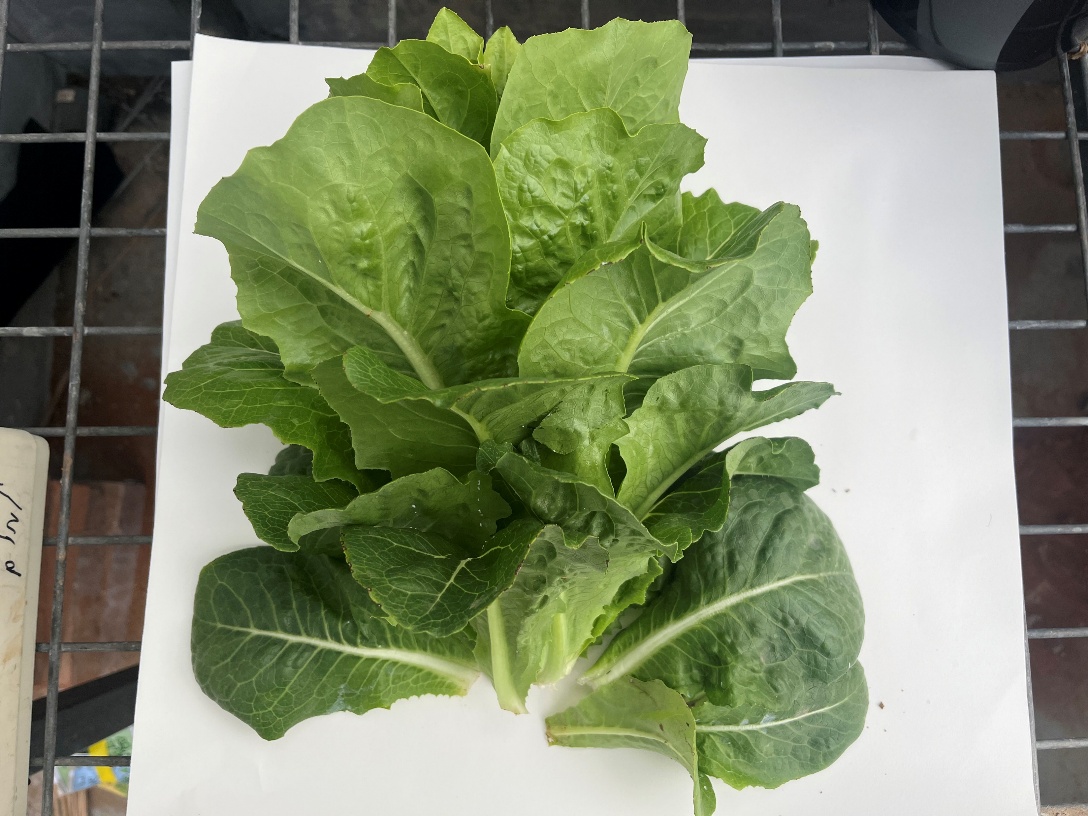
Lettuce harvest and leaf separation, as the part of material preparation for contaminant extraction
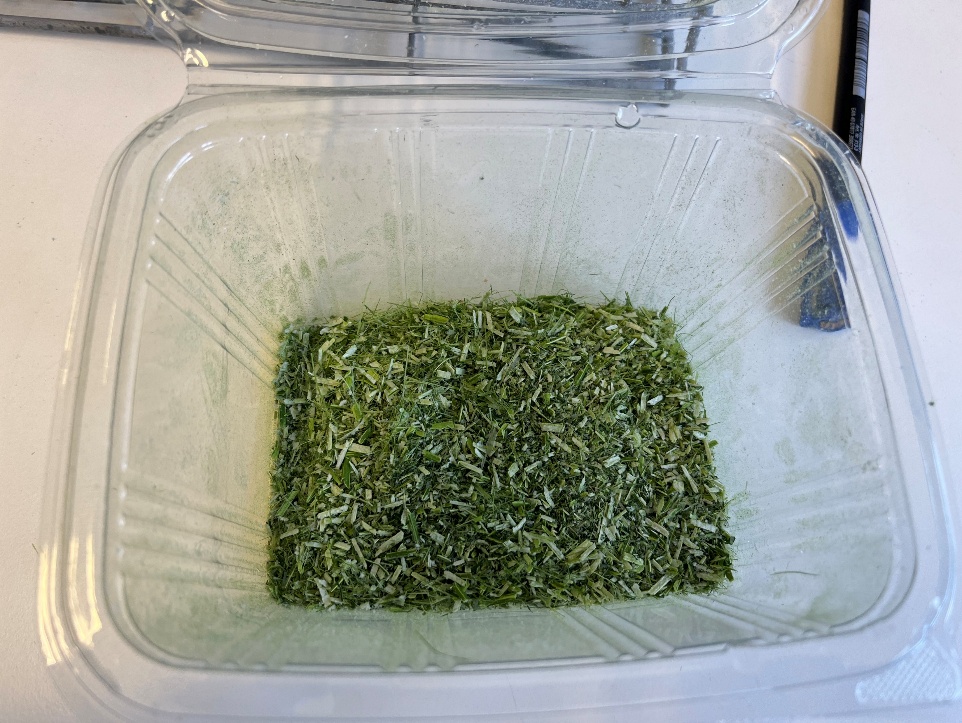
Alfalfa harvest and grinding, , as the part of material preparation for contaminant extraction
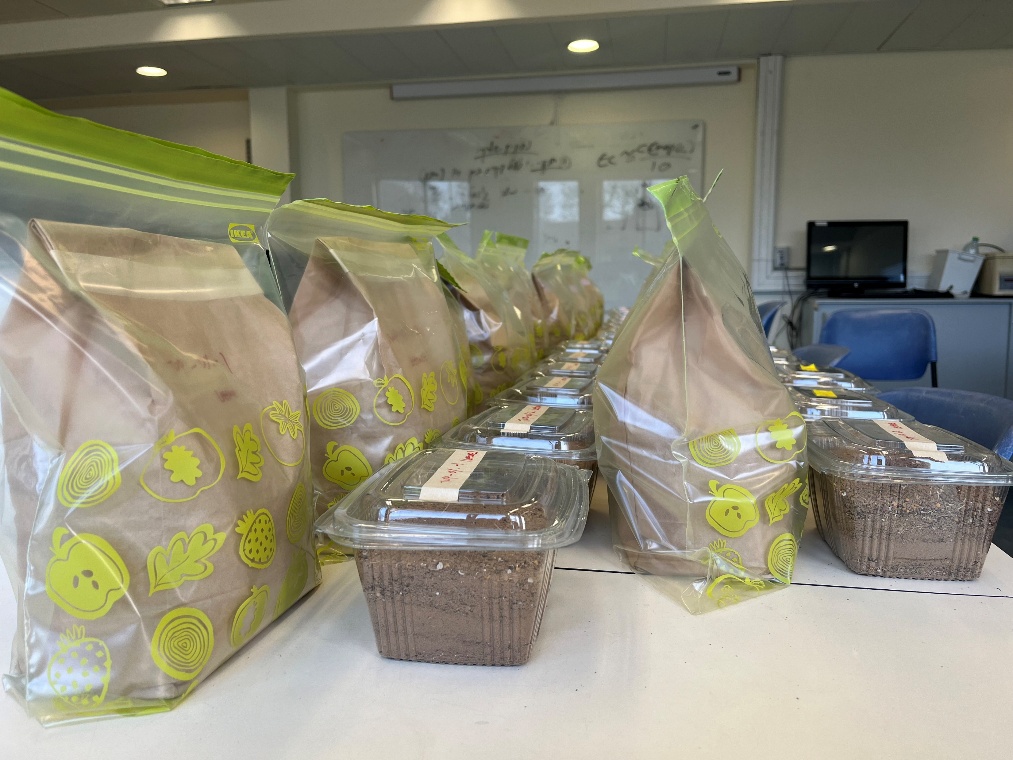
Soil collection for contaminant analysis; Soil data will be used to analyze the fate of contaminants released to soil
Media Contacts
Dr Evyatar Ben Mordechay, Tel +972 52-631-8020| Email: Evyatar.mordechay@mail.huji.ac.il
Published in Environmental Research
Tire wear particles as a source of organic contaminants in the agro-environment: Release of tire wear-derived compounds and their plant uptake
https://www.sciencedirect.com/science/article/pii/S0013935126010121?via%3Dihub
https://doi.org/10.1016/j.envres.2026.124681
Researchers
Chao Gao, Vered Mordehay, Anya Sherman, Luzian Elijah Hämmerle, Professor Thilo Hofmann, Professor Tamara Polubesova, Professor Benny Chefetz, and Dr Evyatar Ben Mordechay
Institutions
- The Robert H. Smith Faculty of Agriculture, Food and Environment, The Hebrew University of Jerusalem, Israel
- Center for Microbiology and Environmental Systems Science (CMESS), Department of Environmental Geosciences, University of Vienna, Austria
- Agricultural Research Organization (ARO) – Volcani Institute, Israel