
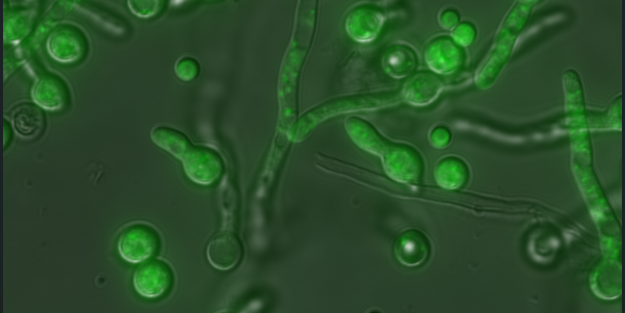
Researchers at the Hebrew University of Jerusalem, in collaboration with the Institute of Microbiology at Friedrich Schiller University, have identified a surprising culprit contributing to the deadliness of fungal lung infections: a virus living inside the fungus itself.
The study, led by Dr Marina Campos Rocha, Dr Vanda Lerer, and student John Adeoye, under the supervision of Dr Neta Shlezinger of the Koret School of Veterinary Medicine, reveals that a virus within the Aspergillus fumigatus fungus significantly boosts the pathogen’s ability to survive environmental stress and cause severe infections in mammals. Notoriously dangerous, Aspergillus fumigatus is the main cause of invasive fungal infections and is especially lethal for those with weakened immune systems, with mortality rates nearing 50%.
The team discovered that when the virus—a double-stranded RNA mycovirus—is present, the fungus becomes markedly more resilient to stress, including the heat and oxidative conditions found in the mammalian lung. Removing the virus from fungal strains made them weaker: virus-free fungi reproduced poorly, produced less melanin, and were significantly less dangerous in animal models.
Their findings suggest these “mycoviruses” have a crucial but previously overlooked role in worsening fungal diseases in humans. Particularly promising is the team’s observation that applying antiviral treatment to suppress the virus improved survival outcomes in infected animals. This opens a new avenue for antifungal therapy—not only targeting the fungus but also the virus that helps it thrive.
“These viruses are like molecular backseat drivers,” says Dr Shlezinger. “They do not cause disease themselves, but influence how aggressive the fungus becomes inside the body.”
This discovery may represent a paradigm shift in managing fungal infections. Targeting the virus within the fungus could weaken the pathogen, enabling the immune system and existing drugs to control infections more effectively. As fungal pathogens worldwide become more drug-resistant, this research offers rare hope that an overlooked factor may hold the key to better treatments.
The research paper, “Aspergillus fumigatus dsRNA virus promotes fungal fitness and pathogenicity in the mammalian host,” is now available in Nature Microbiology.
Researchers:
Marina Campos Rocha, Vanda Lerer, John Adeoye, Hilla Hayby, Maria Laura Fabre, Amelia E Barber, Neta Shlezinger
Institutions:
- Koret School of Veterinary Medicine, Faculty of Agriculture, The Hebrew University
- Institute of Microbiology, Friedrich Schiller University