Scientists have identified a promising new strategy to tackle one of the biggest obstacles in treating glioblastoma, one of the most aggressive form of brain cancer: resistance to chemotherapy. The study shows that an experimental compound called BA-101 can restore the effectiveness of the standard drug temozolomide (TMZ) by blocking a biological process known as nitrosative stress, which helps tumors survive and resist treatment. In preclinical models, the combination therapy slowed tumor growth, reduced the cancer’s ability to spread, and increased cancer cell death, opening the door to a potential new approach for treating drug-resistant glioblastoma.
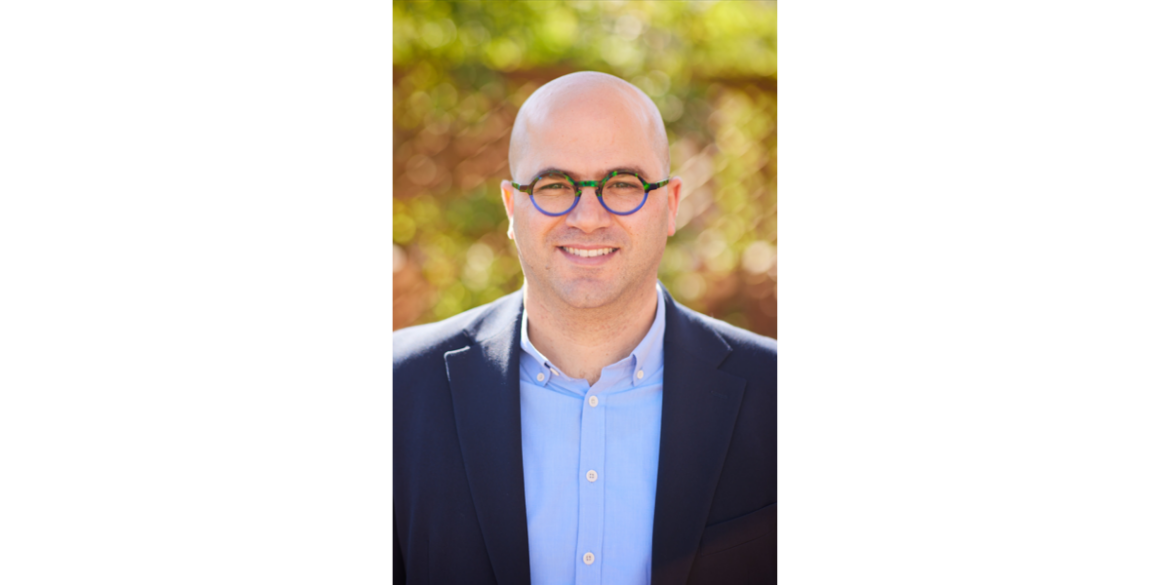
Title image: Haitham Amal | Credit: Igor Faberov
Researchers led by Postdoctoral Fellow Dr. Mallikar Nimgampalle of the Hebrew University of Jerusalem and Prof. Haitham Amal of the Hebrew University of Jerusalem and Harvard Medical School have identified a promising new approach to one of the greatest challenges in treating glioblastoma, the most aggressive and lethal form of brain cancer: resistance to chemotherapy. Their study, published in Cancer Medicine, shows that an experimental compound, BA-101, can make drug-resistant glioblastoma cells vulnerable once again to the standard chemotherapy drug temozolomide (TMZ), significantly slowing tumor growth in preclinical models.
Glioblastoma is notoriously difficult to treat. Although surgery, radiation, and temozolomide are the current standard of care, many tumors either fail to respond or quickly develop resistance, leaving patients with few effective treatment options.
In the new study, the researchers targeted a biological process known as nitrosative stress—an imbalance caused by excessive production of nitric oxide molecules that helps tumors survive, spread, and evade treatment. They found that blocking this pathway with BA-101, a selective inhibitor of neuronal nitric oxide synthase (nNOS), substantially reduced the aggressive behavior of drug-resistant glioblastoma cells.
The treatment slowed cancer cell growth, reduced their ability to invade surrounding tissue and migrate, lowered markers of nitrosative stress, and triggered cancer cell death. Most importantly, combining BA-101 with temozolomide produced a stronger anti-cancer effect than either treatment alone, including significantly reducing tumor growth in mice.
“Temozolomide resistance remains one of the biggest obstacles in treating glioblastoma,” said Prof Haitham Amal of the Institute for Drug Research at the Hebrew University of Jerusalem and Boston Children’s Hospital, Harvard Medical School, who led the study. “Our findings suggest that targeting nitrosative stress can restore the tumor’s sensitivity to treatment. While additional studies are needed before this approach can reach patients, these results open an exciting new direction for developing more effective therapies against one of the deadliest cancers.”
The researchers believe the findings could pave the way for a new class of combination therapies aimed at overcoming treatment resistance rather than simply replacing existing drugs. Because BA-101 targets a mechanism that helps cancer cells survive chemotherapy, it may enhance the effectiveness of current treatments while potentially delaying the development of resistance.
The study was led by Prof Haitham Amal, with first author Dr Mallikarjuna Nimgampalle and co-authors Shashank Kumar Ojha, Maryam Kartawy, and Michelle Feivelson, all from the Institute for Drug Research at the Hebrew University of Jerusalem.
The researchers emphasize that BA-101 remains an experimental compound and that further preclinical studies and clinical trials will be necessary before it can be evaluated as a treatment for patients.
BA-101, the experimental neuronal nitric oxide synthase (nNOS) inhibitor used in this study, has been exclusively licensed from Yissum, the Technology Transfer Company of the Hebrew University of Jerusalem, by NeuroNOS, a biotechnology company co-founded by Prof. Haitham Amal. NeuroNOS is advancing BA-101 as a potential first-in-class therapy for glioblastoma, with the goal of translating these preclinical findings into future clinical development.
Media Contacts
Prof. Haitham Amal Tel: +972 54-548-2138 | Email: haitham.amal@mail.huji.ac.il
Publication
Targeting Temozolomide-Resistant Glioblastoma: Therapeutic Potential of Neuronal Nitric Oxide Synthase Inhibitor
Cancer Medicine (2026).
Link: https://pubmed.ncbi.nlm.nih.gov/42374654 DOI: 10.1002/cam4.72067
Authors:
Mallikarjuna Nimgampalle, Shashank Kumar Ojha, Maryam Kartawy, Michelle Feivelson, Haitham Amal
Affiliations:
- Institute for Drug Research, School of Pharmacy, Faculty of Medicine, The Hebrew University of Jerusalem
- The Rosamund Stone Zander and Hansjoerg Wyss Translational Neuroscience Center, Boston Children’s Hospital, Harvard Medical School, Harvard University