
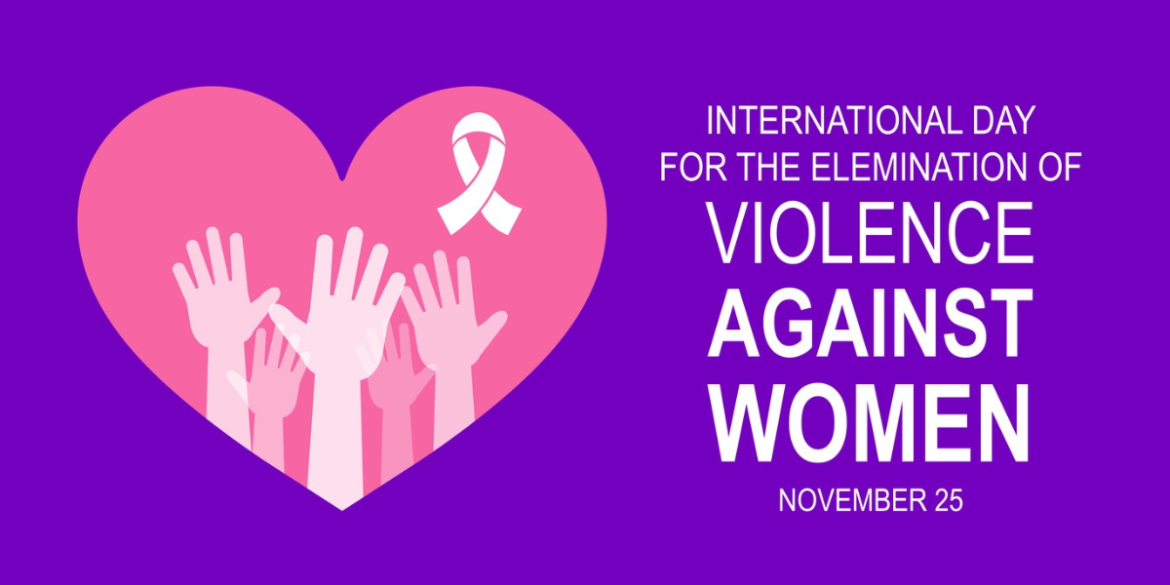
The Israel Observatory on Femicide at the Hebrew University of Jerusalem reports a decline in murders of women and femicides compared with 2025. In 11 of the 19 femicide cases recorded in Israel, victims had raised concerns with police or other institutions before they were killed.
The Israel Observatory on Femicide (IOF) directed by Prof. Shalva Weil has released its findings for January 1 through November 18, 2026. In 2026 to date, 29 women above the age of 18 have been murdered in Israel. Of these, 19 were identified as femicide victims killed by a current or former partner, or by a family member. An additional femicide took place within the borders of Israel, but the murder case is under the jurisdiction of the Palestinian Authority.
The Observatory reports that the 2026 figures are down substantially, to 66% of the 2025 total for murders of women and 55% of the 2025 total for femicides. In 2025, the worst year on record for the number of women killed in Israel, 44 women over the age of 18 were murdered, and 34 of those cases were classified as femicides.
Key Trends
- Age of victims. The average age was 38.1, similar to previous years. The youngest victim was 19 and the oldest was 66.
- Arab communities. Of the 19 cases of femicide, 10 (53%) were from the Arab sector, a share that exceeds the Arab sector’s share of the general population (21%). The highest risk group are Bedouin women.
- Jewish sector. The IOF recorded nine femicides in the category it calls the “Jewish” sector. The Observatory notes that many of these victims were either not originally Jewish, or did not observe a Jewish way of life.
- Ethnicity of victims and perpetrators. All the victims and the perpetrators were of the same ethnic group, except two victims who had converted to Islam.
- Relationship to the perpetrator. In 74% of cases, the perpetrator was known to the victim and was a current or former partner or a family member. In some cases, the perpetrator’s identity was unknown because the woman was killed in a car explosion or by masked gunmen.
- Weapons. Knives were the most common weapon used to murder women (42%), followed by firearms (37%). Two women were run over, and two others were killed in car explosions.
- Firearm use. All Arab femicide victims were shot, most likely with illegal firearms. The IOF found no correlation between the distribution of legal firearms and femicide.
- Wider violence in Arab society. According to the Abraham Initiatives, 203 people had been murdered in Israel’s Arab sector as of the reporting date. Of those, 15 (7%) were women and girls, including one woman classified in the “Jewish” sector who was murdered by her husband. However, the IOF recorded 18 murders of Arab women over the age of 18.
- Suicide and attempted suicide. The Observatory describes suicide as closely linked to femicide. In 2026, five perpetrators died by suicide or attempted suicide after confessing to femicide.
Early Warnings
In 11 of the 19 femicide cases, the victim raised concerns with police or other institutions before she was killed, often without filing a formal complaint. In some cases, the perpetrator was known to the authorities or had a criminal record. The Observatory says that in many cases, authorities, including police and welfare services, appear to have fallen short of taking the measures needed to prevent the killing.
Scope of the Report
The report covers the most extreme outcome of violence against women: murder or femicide. The IOF defines femicide as the intentional killing of women because they are female. The definition includes so-called “honor killings” and killings by a partner or family member. It excludes deaths resulting from terrorism, accidents, or negligence. The Observatory notes that the line between femicide and criminal acts in wartime and peacetime can be thin. In keeping with international standards, the IOF monitors cases involving women over the age of 18.
The figures are current as of November 18 and may be revised by year-end or later as new information emerges. The IOF says that Israel Police, under the Ministry of National Security, generally does not provide femicide data. The Observatory notes that police tend to describe murders of women to the media immediately as “criminal” cases, obscuring the gendered nature of some killings that are later identified as femicides.
About the Israel Observatory on Femicide
Established in November 2020 at the Hebrew University of Jerusalem, the Israel Observatory on Femicide documents and updates data on murders of women over the age of 18 in Israel and publishes a report at the end of each calendar year. It aims to be Israel’s most reliable source of femicide data, providing quantitative and qualitative findings and analyzing them objectively and independently of political or other interests. The Observatory uses Google Alerts to track daily local and national reports and cross-checks the information against other sources, including police reports and in-depth interviews with lawyers, neighbors, and victims’ family members.
Website https://www.israelfemicide.org
Media contact Prof Shalva Weil, Senior Researcher at the Seymour Fox School of Education, Hebrew University of Jerusalem. WhatsApp +972-52-2523553.