A new study has tested CRAFT‑G, a remote group intervention that combines cognitive training, psychoeducation and occupational therapy–based strategies for adults living with cancer‑related cognitive impairment. The small pilot reported high satisfaction, strong retention and clinically meaningful improvements in daily functioning and self‑perceived cognitive abilities among cancer survivors, suggesting that remote, group‑based cognitive rehabilitation could be an accessible and effective way to manage “chemobrain” and reclaim everyday life.
For many adults recovering from cancer, finishing treatment does not mean the end of difficulties. Up to 80% of survivors continue to experience “chemobrain” – subtle but disruptive changes in memory, attention and mental processing that can make work, relationships and daily routines unexpectedly hard. A new study from the Hebrew University of Jerusalem offers hopeful news: a remote, group‑based cognitive rehabilitation programme may help survivors regain confidence, function better day to day and feel less alone in the process.
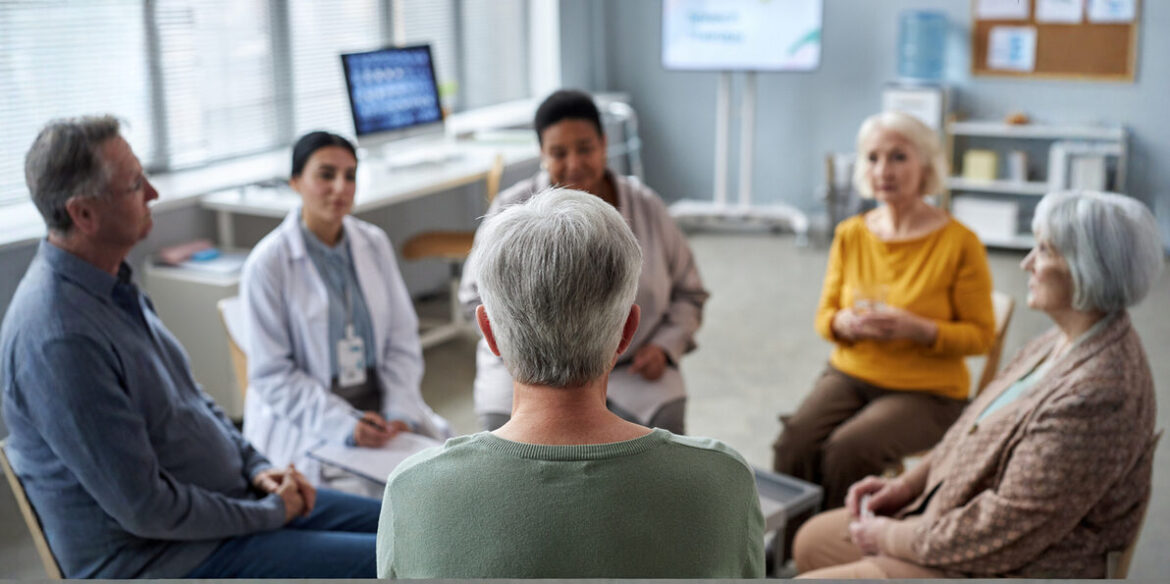
The intervention, known as CRAFT‑G (Cognitive Retraining and Functional Treatment – Group version), combines cognitive training exercises with an occupational therapy–based problem‑solving approach and weekly group sessions, all delivered online. In this feasibility study, five adults aged 30 to 57 took part in six weekly group meetings and completed personalised digital brain‑training activities. The results were encouraging: participants reported clinically meaningful improvements in daily performance, and assessments showed significant gains in their ability to manage everyday tasks such as household responsibilities and work demands.
Many also described feeling more understood, supported and empowered through the group format. While improvements in objective cognitive tests were modest – a common pattern in cancer‑related cognitive impairment research – most participants reported better self‑perceived cognitive functioning, and physical quality‑of‑life scores also improved.
“Cancer survivors often tell us they feel like they’ve ‘lost’ parts of themselves after treatment,” says Prof Yafit Gilboa, the study’s principal investigator. “Our goal was to offer a practical, compassionate and accessible way to help them regain control – to show them that their cognitive challenges are real, understandable and, importantly, treatable. Seeing participants improve in the activities that matter most to them is exactly why we do this work.”
Crucially, the remote format proved not only feasible but genuinely helpful. Participants valued being able to join from home, maintain their routines and connect with others who shared similar experiences.
The researchers conclude that CRAFT‑G is a feasible, accessible and potentially effective option for cancer survivors living with cognitive changes, and recommend larger trials to confirm its benefits. In light of these promising findings, a larger study is now under way to examine the intervention’s effectiveness in a broader group of breast cancer survivors.
The research paper, “Remote group intervention for adults with cancer‑related cognitive impairment: a feasibility study”, is published in Supportive Care in Cancer and can be accessed at https://doi.org/10.1007/s00520-025-10114-7.
Funding:
This research is supported by the Israel Cancer Association
Researchers:
Chenanit Hamami, Tamar Peretz, Mor Nahum, Talia Maeir, Ofra Maimon, Yafit Gilboa
Institutions:
- School of Occupational Therapy, Faculty of Medicine, Hebrew University of Jerusalem
- Department of Physical Medicine and Rehabilitation, Hadassah Medical Center
- Hadassah Medical Center
- Faculty of Medicine, Hebrew University
- Departments of Psychology and of Cognitive Science, The Hebrew University of Jerusalem
- Sharett Institute of Oncology, Hadassah-Hebrew University Medical Center